
Managing the Cost of Sodium Bentonite to Improve Procurement Efficiency
2026-07-17
Sodium bentonite is a highly valued industrial clay known for its exceptional swelling capacity, high cation exchange capacity, and excellent sealing properties. Industries ranging from civil engineering and oil drilling to environmental containment and consumer pet products rely heavily on this material. However, procurement professionals often encounter significant variations when analyzing the cost of sodium bentonite. Understanding what drives these price fluctuations is necessary for budgeting and establishing stable supply chains.
As an experienced manufacturer of industrial clay materials, Jinshi provides this comprehensive analysis of the cost of sodium bentonite. By evaluating the raw mineral extraction, processing methodologies, application-specific standards, and transport logistics, buyers can make informed purchasing decisions that balance operational performance with cost efficiency.
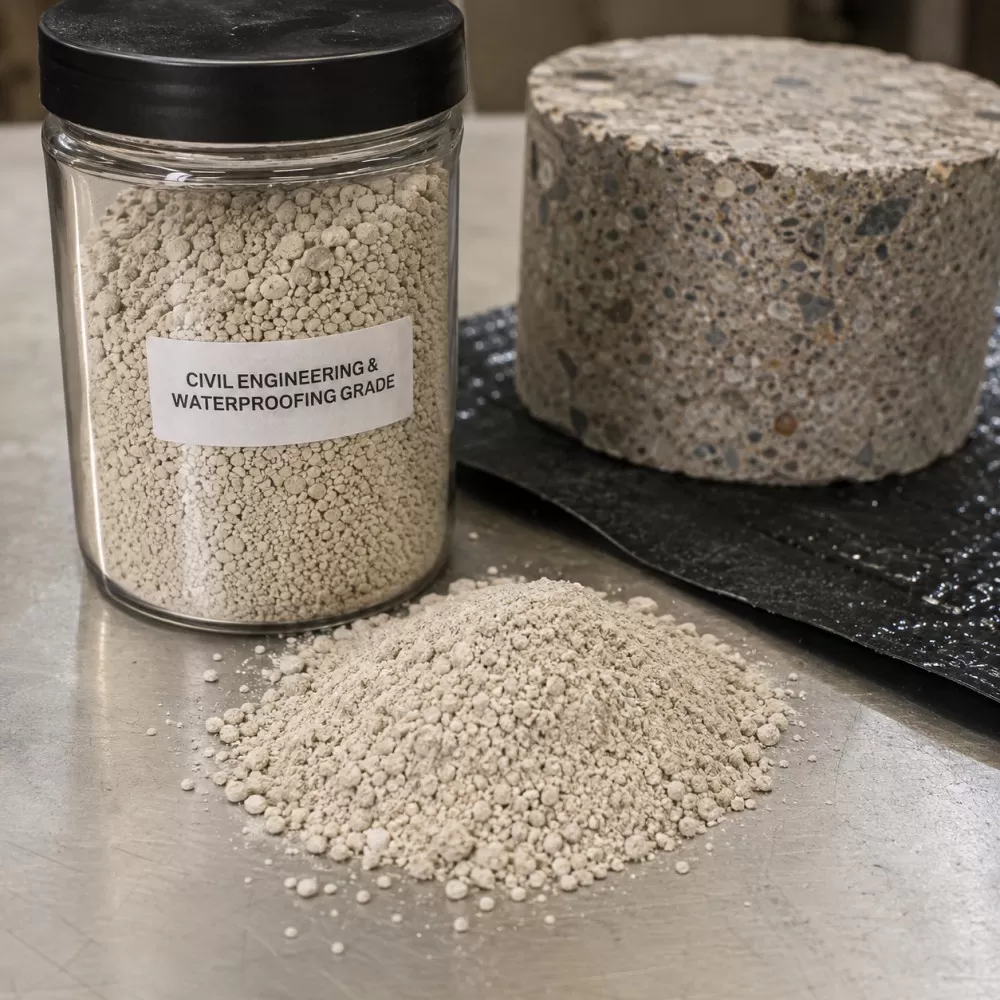
The Foundational Drivers of the Cost of Sodium Bentonite
The pricing of sodium bentonite is not determined by a single factor, but rather by a combination of geological quality, processing depth, and market demand. To understand the baseline cost of sodium bentonite, it is necessary to examine how the material is harvested and prepared for industrial use.
1. Ore Quality and Montmorillonite Content
The primary mineral component of bentonite is montmorillonite. The concentration of montmorillonite within the raw clay directly determines its quality and performance characteristics. High-grade deposits, containing over 80% montmorillonite, naturally command a premium price because they offer superior swelling indices and gel strength. Deposits with lower montmorillonite content require more extensive processing or chemical modification, which alters the overall production cost structure.
2. Natural vs. Activated Sodium Bentonite
True natural sodium bentonite is geographically rare, found in specific regions such as the western United States and select deposits in Asia. Because of its natural abundance of sodium ions, it requires minimal chemical alteration to achieve high swelling performance, though mining and transport from these specific locations can increase the baseline cost.
In contrast, many regions rely on calcium bentonite, which is chemically treated with soda ash (sodium carbonate) to replace calcium ions with sodium ions. This process, known as sodium activation, allows manufacturers to produce a comparable material at a different price point. The cost of sodium bentonite that has been activated depends heavily on the price of soda ash, energy consumption during the activation process, and the efficiency of the manufacturing facility.
3. Mining and Processing Operations
The physical transformation of raw clay into usable industrial powder or granules involves several energy-heavy steps:
Moisture Reduction: Raw bentonite typically contains 30% to 40% moisture when extracted. Drying the clay down to an acceptable 7% to 12% moisture level requires rotary dryers or fluid bed dryers, making fuel and electricity costs a major variable in the final price.
Milling and Pulverization: Depending on the target application, the dried clay must be milled to specific particle sizes. For instance, drilling muds require a very fine powder (often 200 mesh), while foundry binders or sealants may require different grind profiles. Finer milling requires more energy and processing time, which increases the production cost.
Application-Grade Variations and Pricing Impacts
The target application dictates the level of processing, additives, and testing required, which in turn establishes the cost of sodium bentonite for that specific sector.
The table below outlines the general relationship between application requirements and processing complexity:
| Application Sector | Required Product Characteristics | Processing Complexity | Relative Cost Position |
|---|---|---|---|
| Civil Engineering & GCL | High swelling index, low fluid loss, consistent moisture control. | Moderate to High | Medium-High |
| Drilling Fluids (API Grade) | Strict adherence to API 13A standards, high viscosifying capacity. | High (often requires polymer additives) | High |
| Foundry Sand Binder | High green compression strength, thermal durability. | Moderate | Medium |
| Environmental Barriers | Low permeability, chemical resistance to leachate. | Low to Moderate | Medium-Low |
| Cat Litter Production | Controlled granulation, dust-free performance, rapid clumping. | Moderate (focused on sizing and dedusting) | Variable (based on packaging) |
Drilling Fluids and API Standards
In the oil and gas sector, sodium bentonite serves as a fundamental component of water-based drilling muds. To meet American Petroleum Institute (API 13A) standards, the clay must meet precise specifications regarding viscometric properties, yield point, and filtrate loss. Meeting these standards often requires producers to blend natural ores or introduce specific polymers to enhance suspension stability. The rigorous quality control and testing involved elevate the market price for drilling-grade bentonite.
Geosynthetic Clay Liners (GCL) and Civil Engineering
For environmental containment, landfill liners, and pond sealing, sodium bentonite is used for its low hydraulic conductivity. When hydrated, it swells to form an impermeable barrier. For these applications, consistency in particle size and swelling capacity is vital. Buyers must evaluate the cost of sodium bentonite against its long-term sealing performance, as lower-grade alternatives can lead to barrier failure and expensive remediation works.
Metal Casting and Foundry Operations
In green sand molding, sodium bentonite acts as a binding agent to hold the sand mold together during metal pouring. The clay must withstand high temperatures without losing its binding properties. Foundry grade material requires specific thermal stability metrics, which are achieved by selecting specific clay beds or refining the activation process. This keeps the cost of sodium bentonite for foundry applications within a highly competitive, moderate pricing bracket.
Logistics, Packaging, and Supply Chain Factors
The price of the material at the mine gate is only one part of the total procurement equation. Because bentonite is a dense, heavy mineral, logistics and packaging represent a significant portion of the delivered cost of sodium bentonite.
1. Packaging Configurations
Industrial clay is typically shipped in three primary packaging formats:
Bulk Vessel/Pneumatic Tankers: Ideal for large-scale industrial plants located near rail or shipping terminals. While this minimizes packaging costs, it requires specialized handling and storage infrastructure.
Flexible Intermediate Bulk Containers (FIBC / Ton Bags): The most common choice for international B2B shipments. Ton bags provide a practical balance between handling efficiency, protection from moisture, and manageable unloading requirements.
Multi-wall Paper Bags (25 kg / 50 lbs): Used for applications requiring precise batching or manual handling. This format carries the highest packaging-to-product cost ratio due to the manual labor and materials involved in bag filling and palletization.
2. Freight and Transport Infrastructure
Because bentonite is a bulk commodity, dry inland freight and ocean shipping rates heavily influence the final landed cost of sodium bentonite. Shipping from landlocked mining regions to international ports involves domestic trucking or rail transport, which can sometimes equal or exceed the ocean freight costs. Working with a supplier like Jinshi, who maintains established transport channels and close proximity to shipping hubs, helps mitigate unnecessary logistical markups.
3. Moisture Protection During Transit
Sodium bentonite is highly sensitive to ambient humidity. If exposed to moisture during sea transit, it can clump, pre-hydrate, or suffer from bag degradation. High-quality export packaging, including moisture-resistant inner liners, is a necessary measure to prevent product loss. While this protective packaging adds a small increment to the upfront cost, it prevents the substantial losses associated with water-damaged inventory.
Evaluating Total Cost of Ownership (TCO) in B2B Procurement
When sourcing raw materials, focusing solely on the lowest per-ton price can lead to hidden operational costs. Procuring low-cost, substandard bentonite often leads to higher consumption rates to achieve the same performance levels. For example, in drilling operations, using a lower-grade clay with poor yield means more bags of material must be mixed to maintain the target mud viscosity, increasing both labor costs and transport expenses.
A comprehensive assessment of the cost of sodium bentonite should evaluate the following performance metrics:
Swelling Volume (ml/2g): Higher swelling volumes mean less material is required to achieve the desired barrier or viscosity performance.
Moisture Consistency: Purchasing clay with excessively high moisture levels means paying for water weight rather than active mineral content.
Purity and Grit Content: Excess sand or non-clay minerals can cause premature wear on pumps, mixing equipment, and extrusion machinery, leading to increased maintenance costs.
Jinshi works closely with B2B procurement teams to align material specifications with actual operational needs. By providing consistent mineral quality and clear parameter verification, we ensure that the purchase price translates directly into reliable field performance.
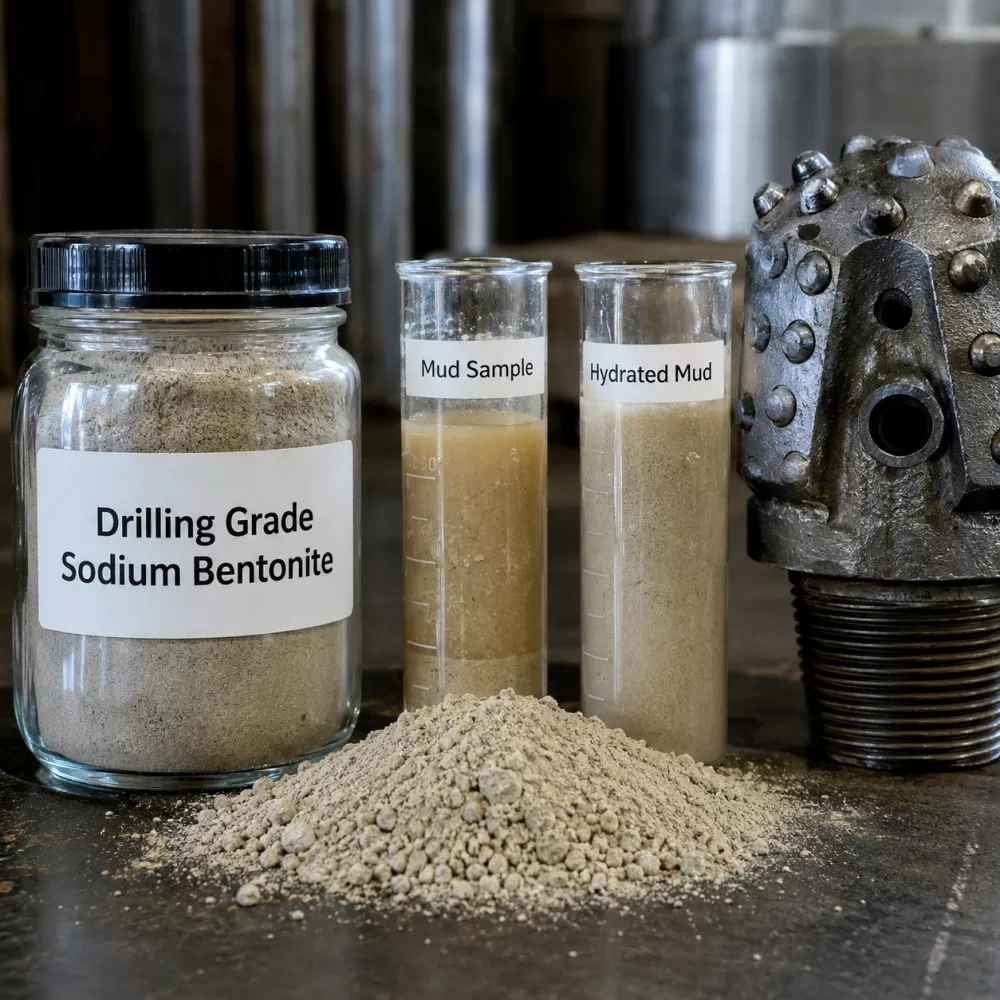
Sourcing Strategies for Industrial Buyers
To manage the cost of sodium bentonite effectively, procurement managers can implement several strategic sourcing practices:
First, establishing direct relationships with integrated producers like Jinshi reduces intermediary margins. Trading companies often add transaction fees without adding value to the material processing or quality control stages.
Second, planning orders around predictable seasonal demand can help bypass peak freight periods. Because global shipping rates fluctuate based on seasonal export volumes, aligning shipping schedules with quieter logistics windows can yield significant savings on overall landed costs.
Finally, consolidating packaging standards can streamline production. Standardizing on 1,000 kg or 1,200 kg FIBC bags instead of custom-sized bags allows manufacturers to maintain high-speed packaging runs, reducing processing overheads that would otherwise be passed down to the buyer.
Frequently Asked Questions About Sodium Bentonite Costs
Q1: Why is there such a large difference in the cost of sodium bentonite from different suppliers?
A1: The price differences are primarily driven by the purity of the clay deposit (montmorillonite content), whether the clay is naturally sodium-rich or chemically activated, the grind size, and the geographic location of the supplier. High-purity, naturally occurring sodium bentonite typically carries a higher market price due to its superior performance and limited global deposits, whereas activated calcium bentonite offers an alternative option depending on the application.
Q2: How does moisture content affect the actual cost of sodium bentonite?
A2: High moisture levels mean you are paying for water weight instead of active clay minerals. Standard industrial specifications typically require a moisture content between 8% and 12%. Buyers should verify that their supplier maintains strict drying controls, as receiving clay with higher moisture levels increases transport costs per active ton and can cause clumping during storage.
Q3: What packaging option is most cost-effective for international B2B shipments?
A3: Flexible Intermediate Bulk Containers (FIBC), commonly known as ton bags, generally offer the most cost-effective packaging for international shipments. They maximize container space, simplify mechanical loading and unloading via forklifts, and require less packaging material per metric ton compared to individual 25 kg paper bags.
Q4: Can activated calcium bentonite replace natural sodium bentonite to reduce costs?
A4: Yes, for many applications such as foundry sands, civil engineering barriers, and basic drilling muds, sodium-activated calcium bentonite is a viable and cost-effective alternative. However, for specialized high-temperature drilling or highly sensitive environmental projects, natural sodium bentonite may still be preferred due to its superior thermal stability and long-term chemical resistance.
Q5: How do bulk purchasing contracts protect against price fluctuations?
A5: Establishing annual supply agreements or bulk purchasing contracts with manufacturers like Jinshi helps stabilize pricing. It protects buyers from short-term fluctuations in energy, soda ash, and processing costs, while allowing the manufacturer to plan production schedules efficiently, leading to mutual cost savings.
Initiate an Inquiry with Jinshi
Managing raw material procurement requires a reliable supply partner who understands both mineral performance and supply chain logistics. Jinshi is committed to providing consistent, high-quality clay materials tailored to your specific application requirements, ensuring you receive the optimal performance grade without paying for unnecessary additives.
To discuss your current application specifications, request product samples, or obtain a detailed quote based on your shipping destination, please contact our technical sales team. We are ready to assist you with comprehensive pricing sheets, material specification charts, and logistical planning to streamline your procurement process.