
Industrial Applications and Specification Standards of Sodium Bentonite
2026-06-17
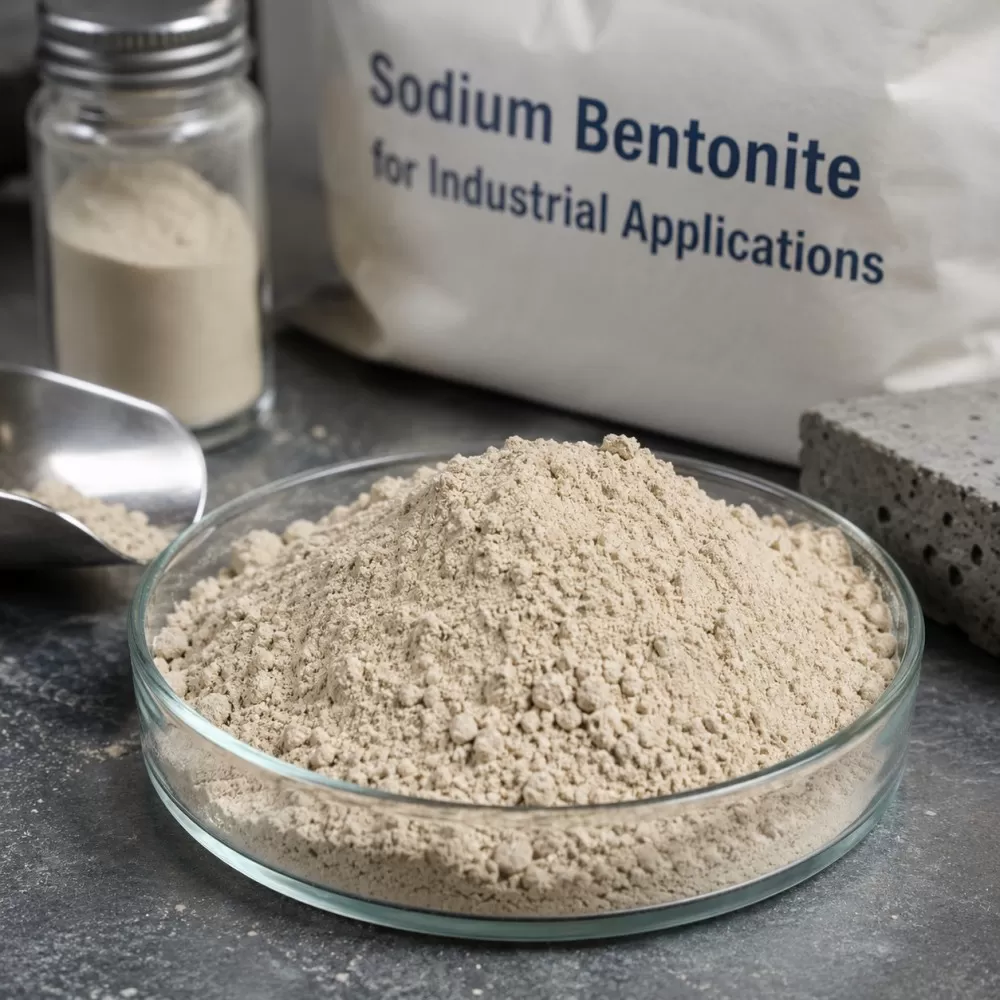
Sodium bentonite is an industrial clay mineral valued across multiple sectors for its high swelling capacity, viscosity, and thermal stability. Composed primarily of montmorillonite, this naturally occurring volcanic ash residue exhibits unique crystalline properties that make it a key component in civil engineering, oilfield services, metal casting, and consumer products. Understanding the physical and chemical characteristics of this mineral is necessary for procurement managers and process engineers seeking to maintain operational efficiency and quality standards.
For industrial operations, sourcing reliable raw materials determines the quality of the final output. Jinshi provides processed clay minerals engineered to meet strict international standards, balancing chemical purity with predictable physical behavior. This analysis examines the mineralogical structure of sodium bentonite, its primary application fields, standard evaluation metrics, and practical sourcing considerations for high-volume buyers.
Mineralogical Composition and Hydration Mechanisms
The performance of sodium bentonite is directly linked to its smectite clay mineral structure. At the molecular level, montmorillonite consists of a 2:1 layered silicate sheet structure, where an octahedral alumina sheet is sandwiched between two tetrahedral silica sheets. Due to isomorphic substitution within the crystal lattice—specifically the replacement of tetravalent silicon by trivalent aluminum, or trivalent aluminum by divalent magnesium—the clay layers carry a net negative charge. This charge is balanced by exchangeable cations located in the interlayer spaces.
In sodium bentonite, the predominant interlayer exchangeable cation is sodium. This specific ionic configuration is highly hydration-sensitive. When exposed to water, the sodium ions attract water molecules into the interlayer space, causing the distance between the silicate sheets to expand significantly. This hydration process occurs in two distinct phases: crystalline swelling, where distinct layers of water molecules enter the interlayer, and osmotic swelling, where the concentration gradient drives additional water between the sheets, leading to almost complete separation of the clay platelets.
This extensive swelling capacity distinguishes the sodium variety from its calcium counterpart. While calcium bentonite typically expands to only a few times its dry volume due to the stronger divalent charge of calcium ions restricting hydration, high-quality sodium bentonite can swell up to fifteen to twenty times its original dry volume. The resulting dispersion forms a stable, thixotropic gel with high fluid retention capacity and low hydraulic conductivity, which is the foundation of its utility in industrial fluid management and sealing applications.
Primary Industrial Application Fields
The physical properties of hydrated smectite clays make them applicable to diverse engineering and manufacturing processes. Different industries leverage specific aspects of the clay's rheological and sealing behaviors.
1. Drilling Fluids and Civil Engineering Slurries
In oil, gas, and water well drilling, drilling muds serve multiple operational functions, including transporting cuttings to the surface, cooling the drill bit, and maintaining hydrostatic pressure to prevent borehole collapse. Sodium bentonite is utilized as a viscosifier and fluid loss control agent in water-based drilling muds. When mixed with water, the clay platelets disperse and form a colloidal suspension with thixotropic properties. Under shear stress, such as during pumping, the fluid viscosity decreases, allowing easy circulation. When pumping stops, the gel structure rebuilds, suspending cuttings to prevent them from settling at the bottom of the wellbore.
Equally important is the clay's ability to deposit a low-permeability filter cake on the porous walls of the borehole. This thin, dense barrier prevents the liquid phase of the drilling fluid from invading the surrounding geological formations, protecting the wellbore stability and reducing fluid loss. In civil engineering, similar bentonite slurries are used in slurry trenching, diaphragm wall construction, and micro-tunneling to stabilize open excavations prior to concrete placement.
2. Environmental Barriers and Geosynthetic Clay Liners (GCLs)
The low hydraulic conductivity of swollen sodium bentonite makes it an exceptional material for environmental containment barriers. It is widely used in landfill liners, pond sealants, and hazardous waste containment sites to prevent leachate and contaminants from migrating into the groundwater. Geosynthetic clay liners (GCLs) consist of a uniform layer of sodium bentonite needle-punched or chemically bonded between two geotextile layers. Upon hydration, the clay swells to form a self-healing, impermeable barrier that can withstand minor shifts in the surrounding soil without cracking.
3. Metal Casting and Foundry Sand Binder
In the metal casting industry, high-strength sand molds are required to withstand the thermal and physical stresses of molten metal pouring. Sodium bentonite is employed as a binder in green sand molding. When mixed with silica sand and water, the clay coats the sand grains, providing cohesive strength. The high thermal durability of the montmorillonite structure ensures that the mold retains its dimensional stability at high temperatures, reducing casting defects such as scabs, swells, and washouts. The dry and hot strength properties imparted by the sodium ion configuration prevent premature mold collapse before the metal solidifies.
4. Absorbent Consumer Products and Cat Litter Manufacturing
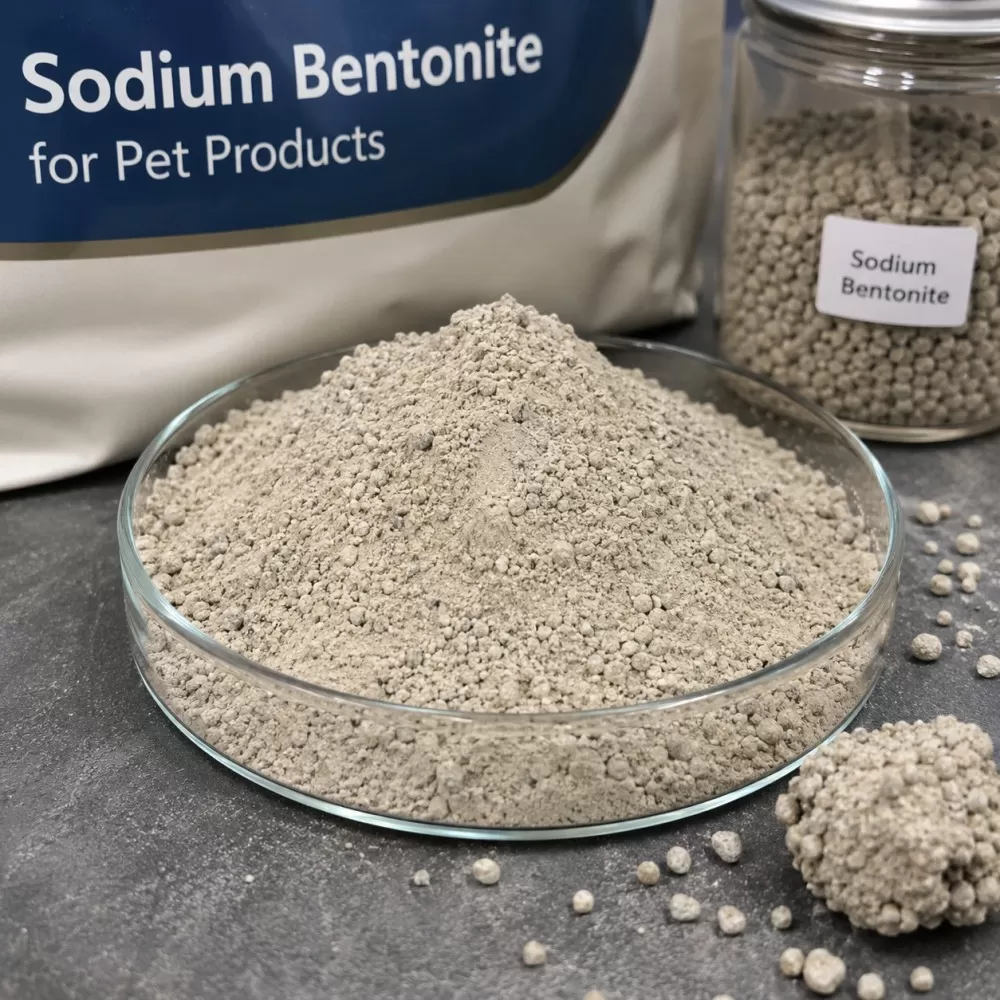
In consumer applications, particularly cat litter manufacturing, the high absorption speed and swelling properties of sodium bentonite are highly valued. Unlike other materials, this clay forms tight, cohesive clumps upon contact with moisture, enclosing liquids and associated odors. Jinshi processes customized bentonite formulations specifically designed for bulk cat litter distributors, focusing on particle size distribution, dust suppression, and structural integrity of the wet clumps. Managing the clay's natural absorption dynamics ensures that the resulting product meets retail performance standards for clumping efficiency and odor management.
Key Sourcing Pain Points and Quality Solutions
B2B buyers face several operational challenges when sourcing bulk clay materials. Variations in raw geological deposits can lead to inconsistent product performance if processing is not tightly controlled.
One prevalent issue is the variation in swelling index and rheological performance between different shipments. Raw bentonite is a natural mineral, and mine sites often exhibit varying ratios of sodium to calcium ions, as well as fluctuating levels of non-clay minerals like quartz, feldspar, and gypsum. If a shipment contains high levels of inactive minerals, the swelling volume decreases, requiring operators to use higher concentrations of clay to achieve the desired slurry viscosity or sealing performance. Jinshi addresses this mineralogical variance by performing detailed mineralogical assays and blending raw ores systematically to ensure consistent active montmorillonite content across bulk batches.
Another major concern is grit content and abrasive impurities. In drilling and slurry trenching, high quartz or sand content in the clay can cause severe abrasive wear on pumps, mixing equipment, and nozzles. This increases equipment downtime and maintenance costs. To mitigate this risk, modern processing facilities utilize wet or dry cyclonic separation techniques to remove non-clay grit before packaging the finished product. This ensures the refined powder meets API or civil engineering standards, protecting mechanical assets during high-shear operations.
Logistical and storage damage represents a third supply chain vulnerability. Because sodium bentonite is highly hydroscopic, exposure to atmospheric humidity or rain during transport can lead to premature hydration, compaction, and clumping within packaging bags. This makes the material difficult to discharge from silos or mix uniformly. Utilizing moisture-resistant woven packaging and implementing temperature-monitored storage protocols prevents premature moisture absorption, ensuring the material remains free-flowing and ready for industrial dispersion.
Performance Metrics for Strategic Evaluation
To ensure consistency in industrial processes, quality control personnel evaluate bentonite shipments based on specific analytical parameters rather than visual inspection alone.
Swelling Capacity (ml/2g): Measured by gradually adding 2 grams of dried clay to 100 ml of distilled water in a graduated cylinder. A high-grade industrial sodium bentonite should exhibit a swelling volume of at least 16 ml to 20 ml, indicating a high concentration of active sodium montmorillonite.
Moisture Content (%): Generally maintained between 8% and 12% at the time of packaging. If the moisture is too low, the clay may hydrate too aggressively or suffer from dust generation; if too high, the buyer is paying for water weight, and the clay may clump during storage.
Particle Size Distribution (Mesh Size): For drilling and foundry applications, fine grinds (such as 200 mesh or finer) are standard to facilitate rapid dispersion. For absorbents like cat litter, granulated distributions (typically 1-4 mm) are preferred to maximize interstitial fluid capture and prevent dust.
Fluid Loss (Filter Press Test): Conducted using a low-pressure filtration cell to determine the volume of water forced through a bentonite slurry at a specified pressure over time. Lower filtrate volumes indicate a higher-quality, more compact filter cake.
Cation Exchange Capacity (CEC): Expressed in milliequivalents per 100 grams (meq/100g). A higher CEC indicates a higher concentration of exchangeable ions, correlating directly with the clay's reactivity and swelling potential.
Procurement and Logistics Standards
Managing the supply chain for bulk industrial minerals requires strict attention to logistical detail. Since sodium bentonite is high-density and low-cost per ton compared to specialty chemicals, transport costs significantly influence the overall landed cost. Bulk vessel transport, containerized shipping with heavy-duty liner bags, and intermediate bulk containers (IBCs/ton bags) are the primary shipping methods utilized by international suppliers.
Collaborating with a structured manufacturer like Jinshi helps buyers navigate these shipping challenges. It ensures that the clay is milled, dried, and packed in facilities located close to major transport hubs, minimizing internal logistics costs. Furthermore, verifying that the manufacturer maintains stable access to high-yield ore reserves protects the buyer against sudden price fluctuations and supply disruptions during periods of high infrastructure or industrial demand.
Frequently Asked Questions
Q1: What distinguishes sodium bentonite from calcium bentonite
regarding industrial usage?
A1: The primary difference lies in the
dominant interlayer cation, which determines the hydration capacity. Sodium ions
allow the clay to absorb water extensively and expand significantly, forming
stable, low-permeability gels. Calcium ions restrict hydration, resulting in
lower swelling capacity. Consequently, the sodium form is preferred for drilling
fluids, sealing barriers, and clumping cat litter, while the calcium form is
more commonly used in bleaching clays, catalysts, and agricultural soil
amendments.
Q2: Can calcium bentonite be converted into sodium bentonite for
high-swelling applications?
A2: Yes, a process called sodium
activation or peptization can replace calcium ions with sodium ions. This is
achieved by mixing calcium bentonite with sodium carbonate (soda ash) under
moist, high-shear conditions. While this chemical modification improves the
swelling index and viscosity of calcium clay, naturally occurring sodium
bentonite typically maintains higher thermal stability and more durable
hydration properties under high-salinity or high-temperature conditions.
Q3: How does salinity in water affect the swelling performance of
sodium bentonite?
A3: High salinity, particularly the presence of
dissolved salts like sodium chloride or calcium chloride, suppresses the
swelling of the clay. The dissolved ions in the water compress the diffuse
double layer around the clay platelets, preventing osmotic swelling and causing
the clay particles to flocculate. In offshore drilling or saline soil
stabilization, special additives or alternative clays like attapulgite are often
required to maintain slurry stability.
Q4: Why is the grit content parameter crucial for slurry trenching
and drilling operations?
A4: Grit content refers to non-clay mineral
impurities, primarily quartz sand, that do not disperse in water. If these
abrasive particles remain suspended in the drilling mud or excavation slurry,
they cause severe mechanical wear on centrifugal pumps, drill bit nozzles, and
slurry transport pipes, leading to premature equipment failure and operational
delays.
Q5: What are the recommended storage guidelines to prevent
deterioration of bulk clay bags?
A5: Bulk bags of the clay should be
stored in a dry, covered warehouse on raised pallets to prevent contact with
ground moisture. Although the packaging often features plastic liners, direct
exposure to rain or high humidity can cause water absorption through the seams,
resulting in hydration, hard clumping, and reduced performance when
dispersed.
Initiating a Procurement Inquiry
Selecting the appropriate grade of sodium bentonite is vital to matching your specific engineering or manufacturing requirements. Industrial processes depend on precise, reproducible physical parameters, and generic classifications are rarely sufficient for highly specialized projects.
To discuss customized formulations, particle size distributions, bulk volume discounts, or to request technical specification sheets and laboratory samples, please contact our distribution team. We invite procurement managers and raw material specifiers to submit an Inquiry outlining your specific project metrics, target swelling index, and monthly volume requirements. Our engineering team at Jinshi is available to assist you in aligning our mineral production processes with your operational parameters.