
Evaluating Clay Manufacturers for Holeplug Sodium Bentonite Sourcing
2026-07-27
In the geotechnical engineering, environmental monitoring, and groundwater management sectors, establishing impermeable barriers is a mandatory regulatory requirement. When drillers abandon a borehole or install environmental monitoring casings, surface water and contaminants must be prevented from migrating downward into subterranean aquifers. Achieving this hydrostatic seal requires materials that react aggressively and predictably when exposed to hydration. Holeplug sodium bentonite serves as the global industrial standard for these sealing applications. Sourcing this highly reactive granular clay requires procurement directors to evaluate a manufacturer's mining source, sizing precision, and overall mineral processing capabilities.
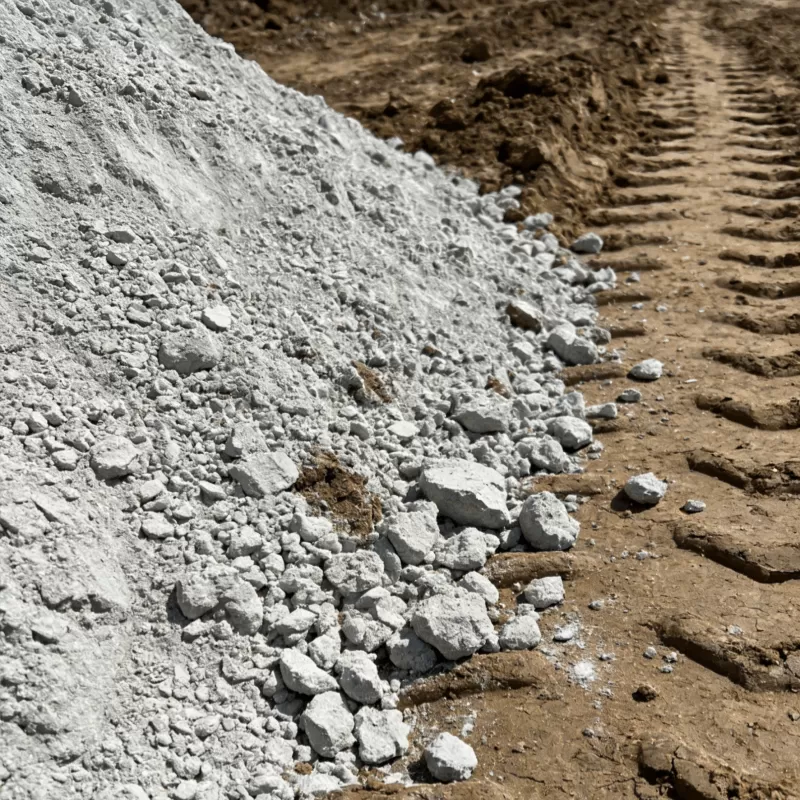
The Mineralogy of High-Swelling Montmorillonite
The effectiveness of a well-sealing agent relies entirely on its volumetric expansion properties. Holeplug sodium bentonite is composed of naturally occurring, high-purity montmorillonite clay. The unique structural characteristic of this mineral lies in its layered microscopic platelets, which are held together by exchangeable sodium ions.
When these specific dry clay granules are poured down a borehole and encounter groundwater, hydration occurs rapidly. Water molecules are drawn into the spaces between the silicate platelets. Driven by intense ionic attraction, the clay absorbs the water and expands violently, swelling up to fifteen to twenty times its original dry volume. This massive expansion creates a highly dense, semi-solid putty that tightly grips the walls of the casing and the surrounding earth. The resulting plug boasts extremely low permeability, effectively halting all vertical fluid movement and isolating the environmental zones.
Consequently, buyers must differentiate between sodium and calcium variants. Calcium bentonite does not possess this extreme swelling capacity and requires artificial chemical alteration to expand, making natural high-swelling sodium bentonite the only reliable choice for critical geotechnical containment.
Granular Sizing and Industrial Processing Standards
Extracting raw clay from the earth is merely the initial phase. The performance of holeplug materials heavily depends on precise mechanical processing at the factory level. If the clay is milled into a fine powder, it will hydrate instantly upon hitting the surface of the water, creating a blockage (bridging) near the top of the hole and leaving the bottom completely unsealed.
To prevent premature bridging, the factory must process the raw mineral into precisely sized chips or granular clay. Common industrial specifications require screening the clay into 3/8-inch or 1/4-inch granular chips. This specific sizing allows the dry granules to fall rapidly through standing water, reaching the intended depth at the bottom of the borehole before the volumetric expansion process fully activates.
Moisture control during the manufacturing process represents another critical quality metric. Using heavy rotary kilns, the processing facility must reduce the internal moisture content of the clay to a stable parameter, typically between 8% and 12%. This thermal activation ensures the product remains shelf-stable during international shipping while retaining maximum reactive swelling power for the end-user.
Evaluating a Comprehensive Clay Materials Manufacturer
Sourcing reliable industrial minerals requires partnering with a facility that demonstrates mastery over complex clay processing. A factory capable of producing premium holeplug sodium bentonite often possesses extensive infrastructure serving multiple high-demand industrial sectors. Evaluating a supplier's broader product portfolio provides B2B buyers with clear insight into their production capacity and quality control discipline.
For example, a premier mineral processing group like Jinshi utilizes advanced geological assets and heavy rotary kilns to manufacture a wide spectrum of products alongside drilling clays. The ability to produce highly refined bleaching earth for edible oil and specialized bleaching clay for the food industry requires adherence to the strictest heavy-metal and purity regulations in the world. Similarly, operating lines dedicated to bleaching clay for industrial oil demonstrates expertise in acid-activation and surface-area maximization for petrochemical filtration.
This comprehensive manufacturing footprint ensures that whether the factory is processing raw calcium bentonite for metallurgical binders, producing high-end clumping cat litter for the global pet care market, or screening pure granular clay for environmental sealing, the facility applies rigorous ISO-certified quality assurance across every production line. Procurement teams benefit significantly from consolidating their supply chains with a versatile manufacturer like Jinshi, capable of fulfilling diverse mineral requirements with uncompromising precision.
Frequently Asked Questions
Q1: How long does it take for holeplug clay to achieve a complete hydrostatic
seal?
A1: While initial hydration and swelling begin within minutes of
contacting water, reaching maximum volumetric expansion and forming a completely
impermeable hydrostatic seal typically requires 12 to 24 hours, depending on the
ambient water temperature and ground pressure.
Q2: Can this material be used in freezing ground conditions?
A2: Yes. The
dry granules are unaffected by freezing temperatures during storage or pouring.
However, hydration requires liquid water. If the groundwater in the borehole is
completely frozen, the swelling action will be delayed until the ice thaws and
provides the necessary liquid moisture for the platelets to expand.
Q3: What is the difference between standard drilling mud and holeplug?
A3:
Standard drilling mud utilizes finely milled bentonite powder (usually 200 mesh)
that mixes with water at the surface to create a viscous fluid used to lubricate
drill bits. Holeplug utilizes large, coarse granules designed to fall dry
through liquid and seal a specific void or abandoned hole at depth.
Q4: Is this sealing clay safe for drinking water aquifers?
A4: Pure,
unprocessed sodium bentonite is a naturally occurring, inert mineral. It
contains no synthetic chemicals or toxic additives, making it environmentally
safe and the standard approved material for isolating and protecting potable
groundwater aquifers from surface contamination.
Q5: What are the standard packaging options for international B2B
shipping?
A5: For large-scale industrial projects, the granular clay is
typically packaged in massive 1-metric-ton FIBC jumbo bags to facilitate rapid
deployment via heavy machinery. For smaller operations or distribution networks,
the product is packed in multi-wall, moisture-proof 50 lb (22.7 kg) paper or
heavy-duty plastic valve bags, securely palletized for ocean freight.
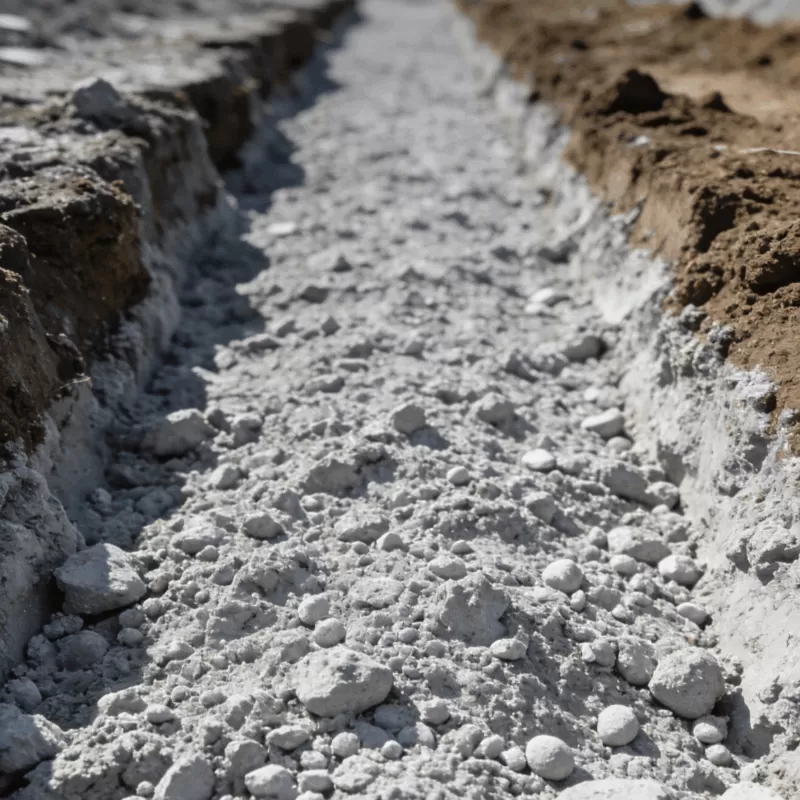
Secure Your Industrial Mineral Supply Chain with Jinshi
Executing critical environmental sealing and geotechnical engineering projects demands raw materials that perform predictably under extreme underground conditions. Sourcing your granular clay from a fully integrated, multi-sector mineral processing facility guarantees unparalleled product consistency and supply chain stability. As a leading international manufacturer, Jinshi possesses extensive processing capabilities that encompass everything from high-swelling holeplug sodium bentonite to ultra-pure bleaching earth for edible oil and premium cat litter. We utilize advanced rotary drying, precise mechanical screening, and strict moisture control to deliver industrial clays that meet the most demanding global specifications. Contact the commercial minerals division at Jinshi today to request comprehensive Technical Data Sheets (TDS), arrange for physical material samples, and discuss wholesale volume pricing for your upcoming projects.