
Comprehensive Analysis of Sodium Bentonite Price Factors and Industrial Sourcing Metrics
2026-08-21
Sodium bentonite serves as a foundational mineral across numerous industrial sectors, functioning as a primary component in drilling fluids, foundry green sand systems, civil engineering cutoff walls, and environmental containment barriers. Sourcing managers, drilling engineers, and procurement specialists regularly evaluate the international market to balance budget constraints against stringent material performance parameters. Navigating the variables that establish the sodium bentonite price requires a thorough understanding of mineral deposits, processing methods, particle distribution standards, and global freight mechanics.
Mineral performance directly correlates with the physical and chemical constitution of the ore body. While buyers often seek the most competitive rates per metric ton, raw unit costs can be deceptive if the clay fails to meet rheological, filtration, or binding thresholds on site. A granular breakdown of how geological origins, industrial grading, processing refinements, and logistics influence pricing models allows industrial buyers to structure procurement agreements that maintain operational integrity while managing overall expenditures.
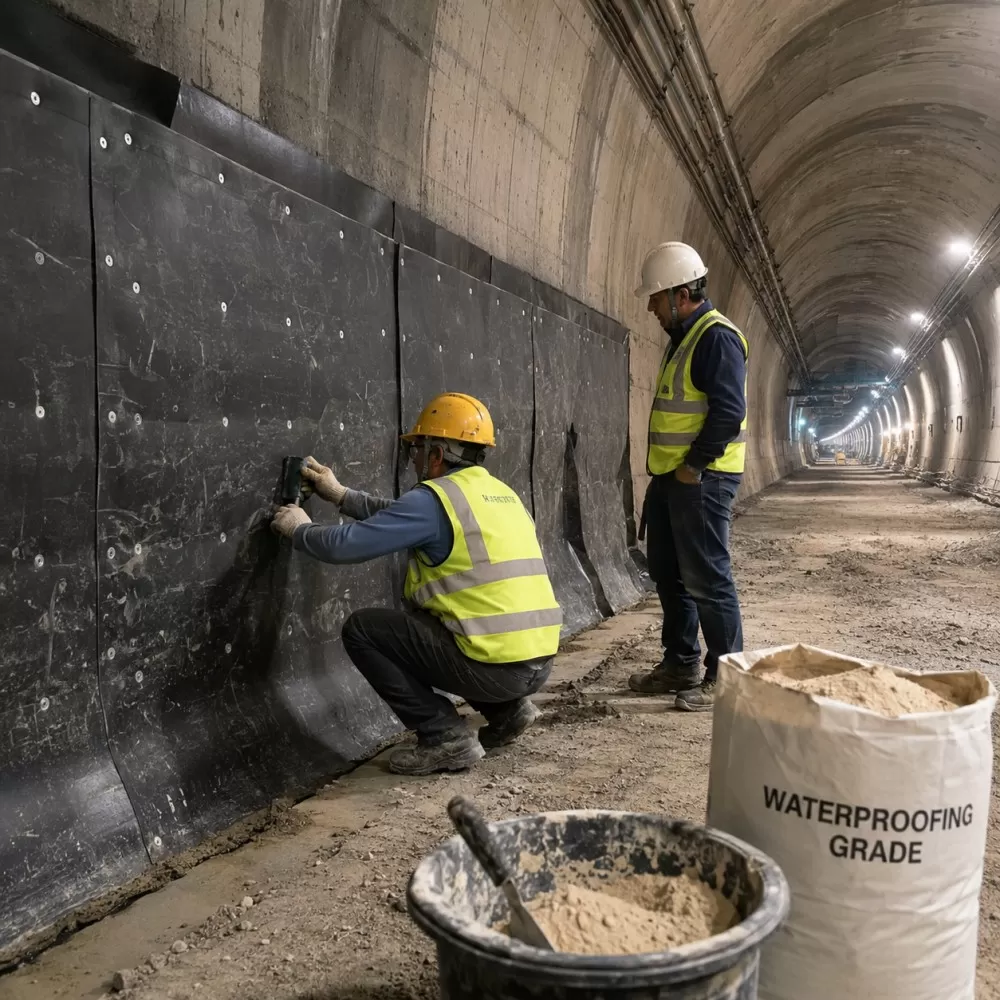
Geological Origin and Mineralogical Purity
The primary mineral responsible for the performance of bentonite is montmorillonite, a tri-layer smectite clay displaying exceptional cation exchange capacity and water absorption properties. The purity of this mineral phase dictates both functionality and the baseline price point for raw ore.
Montmorillonite Concentration: Premium commercial ores typically feature montmorillonite contents ranging from 70% to upwards of 90%. Deposits containing lower smectite levels require intensive beneficiation or higher consumption volumes to achieve standard performance levels, directly shifting the overall value proposition.
Natural Sodium vs. Activated Bentonite: Natural sodium bentonite, largely sourced from specialized geological formations such as the Western United States, exhibits natural swelling capacities between 15 to 30 times its dry volume. Conversely, calcium bentonite reserves, which are more widespread globally, require chemical activation with sodium carbonate (soda ash) to exchange calcium ions for sodium ions. Natural variants typically command higher base prices due to limited geographical availability and superior thermal stability.
Non-Clay Impurities: The presence of quartz, feldspar, gypsum, and calcite dilutes active clay content and causes mechanical wear on industrial processing machinery. Clays with lower grit levels (material retained on a 200-mesh sieve) undergo more thorough separation processes, which is reflected in the final quotation.
Primary Drivers Governing the Sodium Bentonite Price
Processing raw clay into high-performance industrial powders involves energy-intensive drying, fine milling, and precise classification. Each step in the processing line contributes to operational expenditures and finished material valuations.
Milling technologies vary depending on the target application. Air classification systems and roller mills grind raw clay chunks down to precise particle distributions, commonly 200 mesh (74 microns) or 325 mesh (44 microns). Achieving high-purity micro-fine powders requires increased electrical power consumption and lower throughput rates, elevating the unit cost compared to coarse, granular aggregate products.
Chemical modification also influences the base sodium bentonite price. When upgrading intermediate ores to fulfill international petroleum or drilling standards, processors introduce high-grade polymers, soda ash, or specialized dispersants. The cost of these additives, tied to chemical market indices, alters production costs across different production cycles. Refiners like Jinshi utilize calibrated activation and grading controls to maintain standardized rheology across international shipping batches, ensuring predictable operational metrics for commercial procurement.
Industrial Grade Standards and Application Benchmarks
Bentonite pricing is divided across distinct industry-specific classifications. Each sector enforces rigorous performance specifications that dictate raw material selection and production precision.
Oil and Gas Drilling Applications
Drilling fluids demand strict compliance with international standards, primarily the American Petroleum Institute (API) Specification 13A. API-compliant grades must demonstrate specific viscometric properties, including minimum barrel yield requirements, controlled plastic viscosity, and low filtrate loss under hydrostatic pressure. Producing an API Spec 13A Section 9 or Section 10 compliant product requires either top-tier natural sodium deposits or precisely engineered chemical treatments, establishing these materials at the higher end of the industrial pricing tier.
Civil Engineering, Slurry Trenching, and Geotechnical Works
In diaphragm wall construction, tunneling, pipe jacking, and horizontal directional drilling (HDD), bentonite suspensions provide hydrostatic support to prevent trench collapse while sealing surrounding permeable soil formations. Materials engineered for civil works require rapid hydration properties and elevated thixotropic gel strengths. Formulations designed for brackish water or saline environments incorporate specialized extenders, raising manufacturing costs above standard baseline soils.
Foundry Green Sand Systems
The metal casting sector utilizes sodium bentonite as a binder for silica sand molds. In this environment, the material must withstand high thermal shock without losing its binding capacity. Key metrics include green compression strength, dry compression strength, and hot strength under molten metal temperatures. Naturally occurring sodium clays possess superior thermal durability compared to activated clays, commanding a price premium based on their longevity and lower mold renewal rates.
Environmental Barriers and Geosynthetic Clay Liners (GCL)
Landfill containment, tailings ponds, and industrial lagoon liners require low hydraulic conductivity, commonly demanding values lower than 1 x 10^-9 cm/s. Sodium bentonite used in GCL manufacturing must maintain consistent swelling volume and free-swell index values according to ASTM D5890 testing protocols. Unprocessed granular materials occupy a mid-range price tier, balancing processing simplicity against strict chemical compatibility requirements.
Logistics, Packaging, and Supply Chain Impact
Bentonite is a heavy, bulk mineral commodity; consequently, transportation and packaging configurations account for a substantial percentage of the delivered cost structure.
Packaging Configurations: Standard packaging formats include 25kg multi-wall paper bags, 50lb polyethylene lined bags, and 1-ton to 1.25-ton flexible intermediate bulk containers (FIBC bulk bags). Bulk bags offer lower handling and packaging material costs, whereas palletized, shrink-wrapped 25kg bags increase packaging expenses but provide operational convenience for end users without automated bulk-unloading silos.
Moisture Control and Barrier Protection: Dry bentonite is hygroscopic, absorbing ambient moisture if exposed to high-humidity storage or maritime transit. Premium packaging incorporates inner moisture liners or plastic films, adding minor packaging surcharges that protect the powder from premature hydration and clumping.
Incoterms and Ocean Freight Volatility: Delivered pricing shifts significantly based on purchasing terms—ranging from Free on Board (FOB) at the processing port to Cost, Insurance, and Freight (CIF) at the destination terminal. Ocean container freight, breakbulk vessel availability, and inland haulage rates from processing plants to shipping ports remain fluid variables in landing costs.
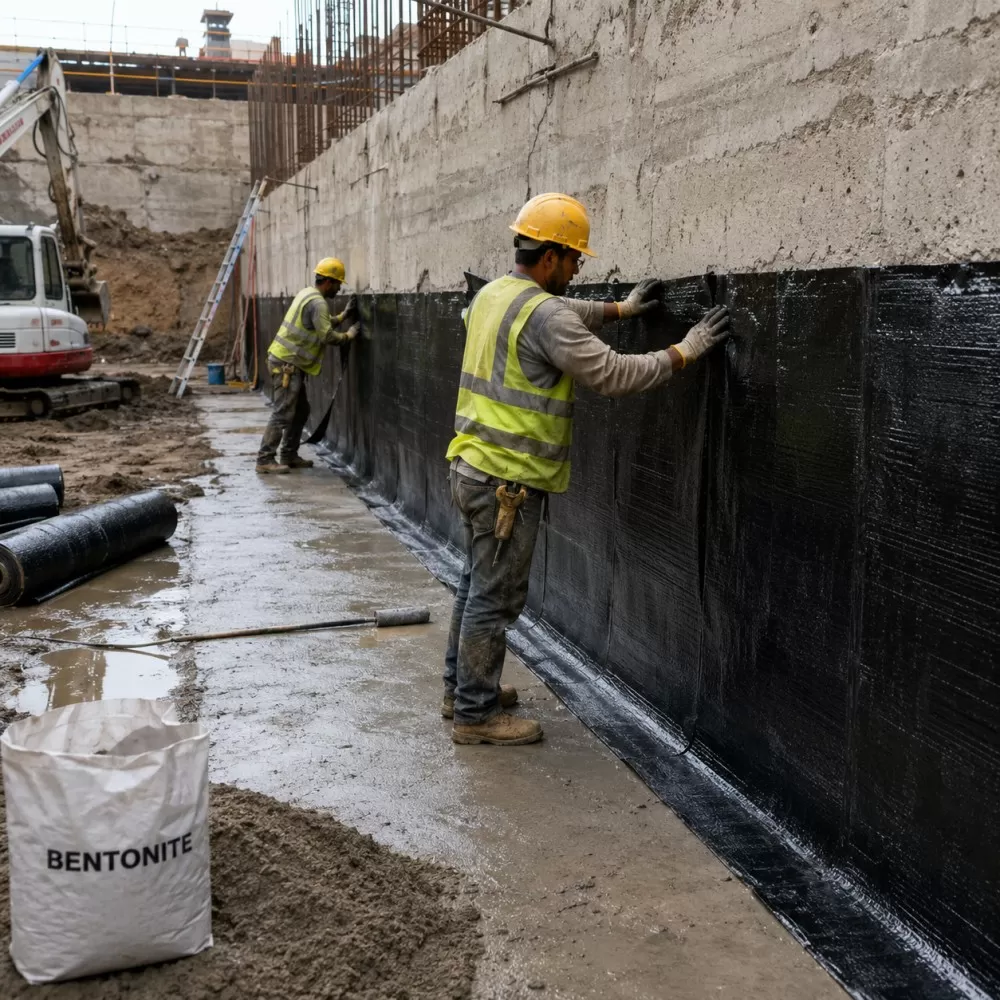
Global Market Procurement Strategies
Achieving stable cost structures when sourcing industrial minerals requires an approach grounded in quality verification and forward planning. Buyers should focus on total lifecycle performance rather than immediate raw unit quotations.
Establishing clear specifications early in the procurement phase prevents mismatched material acquisitions. A drilling contractor requiring high-yield bentonite will experience increased project costs if low-yield civil grade clay is purchased, as double the volume of material will be needed to achieve the required fluid density and viscosity. Direct coordination with established mineral processors like Jinshi allows industrial consumers to secure tailored mesh sizes, hydration rates, and bulk packaging suited to their operational infrastructure.
Bulk purchasers also benefit from evaluating laboratory test certificates ahead of shipment. Standard testing parameters must document moisture content, wet sieve residues (200 mesh), swelling capacity, pH levels, and fluid loss rates. Securing volume commitments through scheduled container releases mitigates the impact of spot-market freight swings and seasonal mineral processing bottlenecks.
Frequently Asked Questions
What is the primary factor that causes variation in the sodium bentonite price?
The main driver is the purity of the montmorillonite content, combined with whether the material is naturally occurring sodium bentonite or chemically modified calcium bentonite. Natural deposits with high swelling capacity and low grit content require less chemical processing but are geographically scarce, making them more costly than standard activated clays.
How does API 13A certification influence raw material costs?
API 13A certification mandates strict performance criteria regarding suspension rheology, filtrate loss, and yield volume. Achieving and verifying these standards requires precise quality control, specialized testing, and often the addition of performance polymers or high-grade natural ores, which increases production costs relative to non-certified industrial clays.
Is natural sodium bentonite always more expensive than activated bentonite?
Generally, natural sodium bentonite commands a higher baseline price at the processing facility due to its limited global distribution and superior thermal stability. However, freight routes, proximity to extraction sites, and local availability can make high-grade activated bentonite competitive for specific regional civil engineering and drilling projects.
What packaging option offers the most economical shipping profile?
One-ton FIBC bulk bags (jumbo bags) offer the most economical balance between packaging cost, container space utilization, and mechanical handling efficiency. While bulk pneumatic tankers provide lower packaging costs for domestic land transit, jumbo bags are the standard format for international maritime container shipping.
How can buyers verify the quality of a shipment before dispatch?
Buyers should request comprehensive Certificate of Analysis (COA) documents detailing tests performed in accordance with ASTM, API, or OCMA standards. Key metrics to verify include swell index (ASTM D5890), fluid loss (ASTM D5891), montmorillonite percentage via methylene blue test (MBT), and moisture content.
Procurement and Commercial Quotations
Procuring raw clay materials requires precise alignment between chemical specifications, processing standards, and delivery schedules. Jinshi supplies industrial-grade and customized sodium bentonite formulations engineered to meet international standards across petroleum exploration, civil trenching, foundry casting, and environmental infrastructure projects. Direct access to high-capacity milling facilities and streamlined export logistics ensures dependable quality control across all bulk consignments.
To receive a detailed specification sheet, material safety documentation, and a tailored commercial quotation based on your target destination and delivery terms, submit your project requirements and volume targets to our commercial supply team today.