
How to Choose the Right Sodium Bentonite Clay Bulk Supplier for Industrial Projects
2026-08-07
Industrial procurement managers face constant pressure. A single shipment of off-spec raw materials can halt civil engineering works, break foundry molds, or stall drilling operations. When sourcing industrial minerals, quality consistency is just as vital as the price tag.
Sodium bentonite clay forms the baseline for civil waterproofing, drilling muds, metal casting, and environmental containment. Finding a reliable supplier for sodium bentonite clay bulk orders requires a clear evaluation framework. Buyers frequently face issues like inconsistent swelling capacity, inaccurate specification sheets, and poor sea-freight packaging.
At Jinshi, we help international buyers eliminate procurement headaches. We deliver consistent, application-focused mineral products backed by strict quality controls. This guide explains how to evaluate bulk suppliers effectively to safeguard your project timeline and budget.
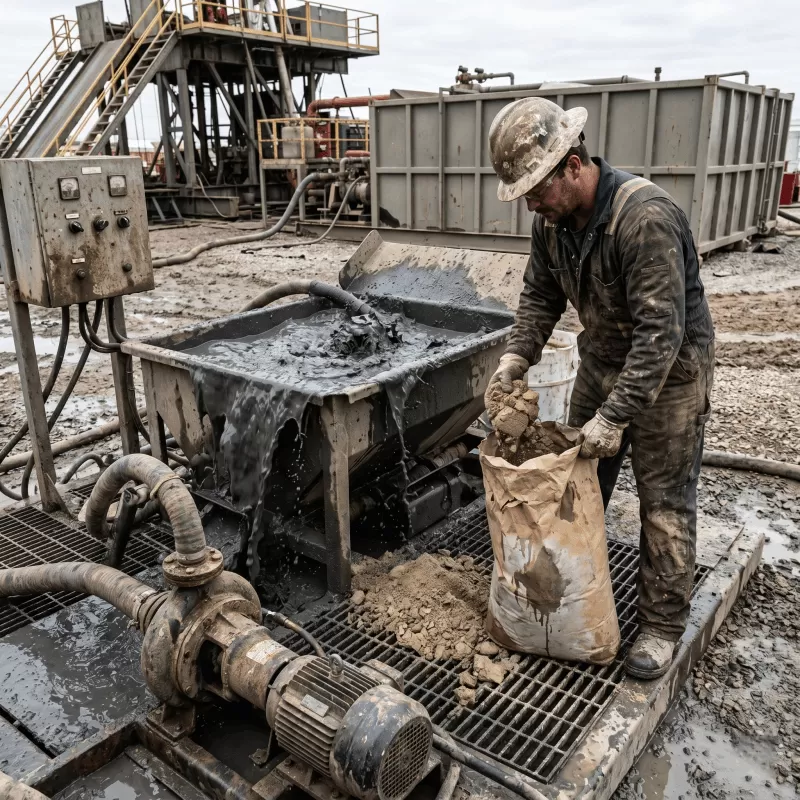
4 Critical Evaluation Criteria for Bulk Sodium Bentonite Suppliers
Not all clay deposits are created equal. Processing methods, purity levels, and grinding specifications vary widely across the global market. Evaluating potential partners against four core standards protects your supply chain from unexpected failures.
1. Technical Parameters and Application Matching
Never purchase bulk clay based on generic product names. You must match technical specifications to your exact industrial process. Key performance parameters include:
Montmorillonite Content: High-grade industrial clay should contain at least 70% to 80% montmorillonite. Higher purity yields better performance.
Swelling Capacity: Measured in mL/2g, this index dictates sealing and hydraulic barrier performance in civil engineering applications.
Rheology and Viscosity: For drilling muds, check yield point, plastic viscosity, and API 13A compliance.
Fluid Loss: Lower fluid loss values prevent water migration into surrounding formations during directional drilling.
Particle Size and Mesh: Fine powders (such as 200 mesh) suit drilling and civil sealing, while granular forms suit environmental capping.
A foundry requires high green compression strength for sand molds. A civil project building Geosynthetic Clay Liners (GCL) prioritizes persistent swell volume. Make sure your supplier can adjust grinding and processing to meet these specific needs.
2. Bulk Capacity and Export Packaging Quality
Buying sodium bentonite clay bulk means managing heavy tonnage across long ocean voyages. Water exposure during transit ruins bentonite before it reaches your site.
Inquire about the supplier's standard packaging options:
Jumbo Bags (FIBC): 1000kg or 1200kg bags equipped with inner polyethylene liners to block moisture ingress.
25kg Multi-Wall Bags: Palletized and shrink-wrapped for easier manual handling at smaller job sites.
Break-Bulk Shipping: Direct vessel loading for high-tonnage port-to-port infrastructure projects.
Assess the factory's monthly output capacity. A supplier must handle multi-container orders without extending lead times or compromising batch quality.
3. Quality Consistency and Certificate Analysis Transparency
A pristine preliminary sample means little if the actual 500-ton bulk delivery fails on-site tests. Batch-to-batch variation remains a frequent complaint in mineral procurement.
Ask prospective suppliers if they issue a lot-specific Certificate of Analysis (COA) prior to dispatch. Reputable manufacturers run internal laboratory testing on every batch for moisture content, mesh fineness, and swell index.
4. A Focused Product System
Avoid general trading agencies that deal in unstandardized goods. Choose specialized producers with focused mineral lines. Companies like Jinshi focus on clay and processing technology, ensuring deep technical support rather than simple order-passing.
Why a Clear Category Focus Matters
Industrial buyers waste valuable time sifting through messy product catalogs. Working with a supplier that maintains a structured product system streamlines technical selection and speeds up the inquiry process.
At Jinshi, we structure our production lines clearly by industrial application:
Bleaching Earth Series: Edible oil refining clay, industrial oil decolorizing clay, food-grade bleaching earth, and granular clay.
Bentonite Series: High-purity sodium bentonite clay bulk options, natural calcium bentonite, and civil-grade sealing clays.
Consumer & Commercial Extensions: High-absorbency bentonite cat litter products.
This clear distinction helps procurement teams jump straight to the relevant grade. You save time, receive precise technical feedback, and avoid the risk of ordering incorrect mineral grades.
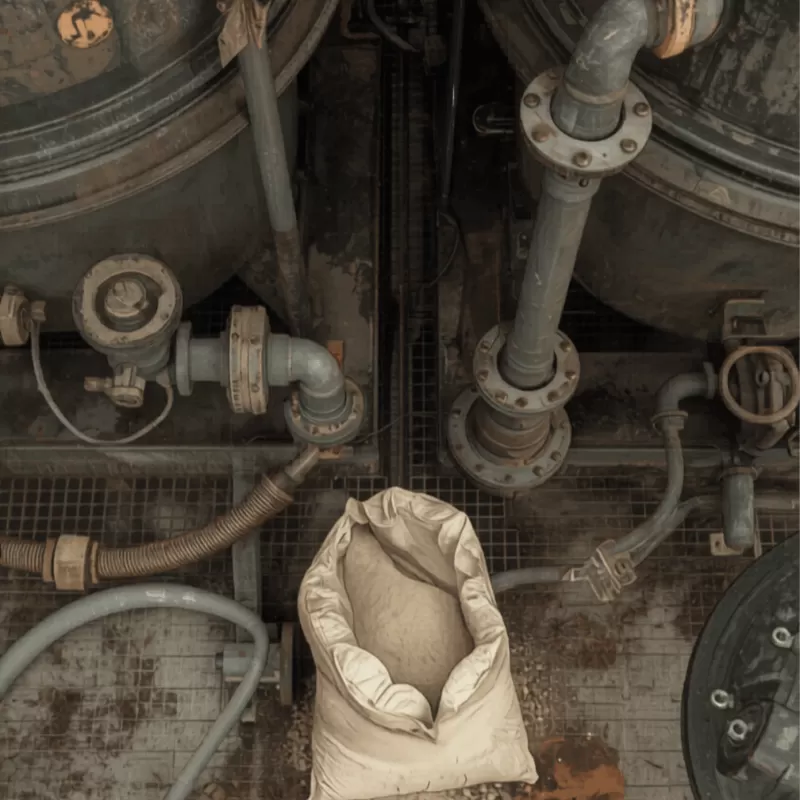
Common Sourcing Pitfalls in Bulk Mineral Procurement
Navigating global mineral markets involves technical traps. Avoiding these common mistakes keeps your project running smoothly.
Confusing Natural Sodium with Soda-Ash Activated Bentonite
Natural sodium bentonite features naturally occurring sodium ions within its molecular structure. It provides long-term durability, high thermal stability, and persistent swelling capacity across repeated wet-dry cycles.
Activated bentonite starts as calcium bentonite treated with soda ash (sodium carbonate). While activated clay offers high initial swell rates at a lower cost, its performance can degrade over time when exposed to hard water or saline conditions. Always clarify whether your project requires natural or chemical-activated material.
Neglecting Practical Export Communication
Misunderstandings over technical terms lead to costly delays. Work with suppliers who understand technical parameters like filtrate loss, liquid limit, and yield point. Clear communication eliminates friction during sample approvals and order execution.
Relying on Unverified Middlemen
Intermediaries often lack direct control over factory grinding, chemical modification, or quality control. Partnering directly with established processing networks like Jinshi gives you direct access to technical adjustments and stable raw material reserves.
Frequently Asked Questions (FAQ)
Q1: What is the main difference between natural sodium bentonite and
activated bentonite?
A1: Natural sodium bentonite
contains natural sodium ions, offering permanent swelling capacity and high
thermal resistance. Activated bentonite is calcium bentonite modified with soda
ash. Activated versions cost less and work well for basic applications, but they
may break down faster under saline or harsh environmental conditions.
Q2: What is the ideal packaging for sodium bentonite clay bulk
orders?
A2: FIBC Jumbo Bags (1.0 to 1.2 metric
tons) with thick polyethylene inner liners offer the best protection for ocean
freight. The inner liner stops atmospheric moisture from clumping the powder
during sea transit.
Q3: Which technical parameters are most critical for civil
engineering projects?
A3: Civil applications like
pond liners, GCL manufacturing, and soil sealing depend heavily on swelling
volume (mL/2g), fluid loss control, and high montmorillonite purity to form
impermeable hydraulic barriers.
Q4: How do I verify quality before placing a full-container
order?
A4: Request a detailed product specification
sheet, followed by a representative lab sample. Before shipment, ask your
supplier for a batch-specific Certificate of Analysis (COA) confirming
parameters like mesh size, moisture percentage, and swell index.
Q5: Can Jinshi customize mesh size or physical properties for
specialized projects?
A5: Yes. Jinshi adjusts
grinding fineness, rheological parameters, and packaging formats to match
specific requirements for drilling operations, foundry casting lines, and civil
construction projects.
Secure Your Supply Chain with Reliable Bentonite Solutions
Sourcing sodium bentonite clay bulk involves more than checking unit prices. It requires evaluating technical parameters, confirming manufacturing consistency, and securing reliable packaging for global transport.
Jinshi streamlines bulk mineral procurement through application-focused product lines, transparent technical standards, and reliable export fulfillment. Whether you need drilling mud additives, foundry binders, or civil sealing clays, our team delivers raw materials tailored to your exact specifications.
Contact Jinshi today to request technical data sheets, order pre-shipment samples, or receive a competitive bulk quotation for your next project.