
High-Purity Sodium Bentonite Clay for Sealing Ponds | Premium Sealant Grade
2026-08-11
Water loss through soil seepage poses a serious financial threat to farm managers, aquaculture operators, and civil engineering contractors. Unsealed or poorly lined water bodies waste millions of gallons of water each year. This leads to inflated operational expenses, ruined ecosystems, and structural instability.
Traditional synthetic plastic liners like High-Density Polyethylene (HDPE) often fail under tough outdoor conditions. Sharp rocks easily puncture them, plant roots tear through them, and ultraviolet radiation breaks them down over time. Repairing a sub-surface tear in a plastic liner requires draining the entire water body, leading to massive downtime and unexpected labor costs.
Jinshi provides a permanent, natural solution to water loss. High-purity sodium bentonite clay for sealing ponds offers superior expanding properties that create an impenetrable, self-healing hydraulic barrier within the soil. Produced under strict quality controls, Jinshi sodium bentonite keeps your water where it belongs—season after season.
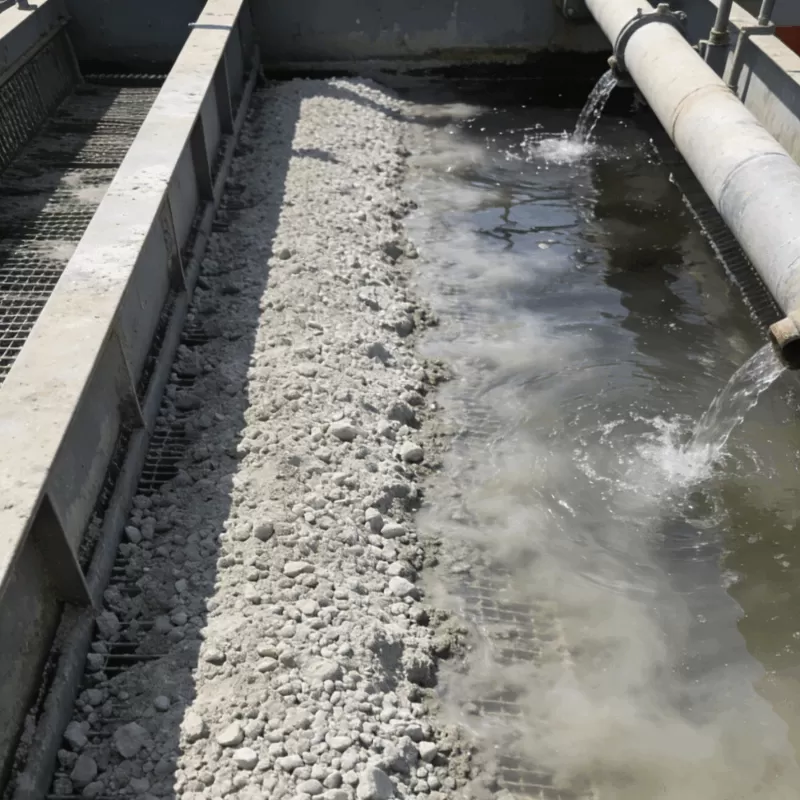
Understanding Sodium Bentonite Clay for Sealing Ponds
Sodium bentonite is a natural volcanic ash clay dominated by the mineral montmorillonite. Unlike standard clay or calcium-based bentonite, sodium bentonite contains high levels of exchangeable sodium ions. These ions allow the clay structure to absorb immense volumes of water.
When exposed to fresh water, high-grade sodium bentonite clay for sealing ponds expands 15 to 20 times its original dry volume. As the clay particles swell, they expand into every micro-pore, crack, and void in the surrounding soil matrix.
This rapid expansion creates a dense layer of low-permeability gel. The resulting barrier acts as a continuous natural plug, reducing soil hydraulic conductivity to virtually zero and stopping seepage instantly.
Key Advantages of Jinshi Sodium Bentonite Sealants
Choosing the right soil sealant determines the long-term viability of your water storage facility. Jinshi manufactures high-yield sodium bentonite designed specifically for heavy-duty containment projects.
Permanent Self-Healing Action: Soil shifts, thermal expansion, and deep plant roots can rupture rigid liners. Jinshi sodium bentonite remains chemically active indefinitely. If a crack forms in the soil bed, nearby dry bentonite hydrates, swells, and seals the leak automatically.
100% Environmentally Safe: Chemical sealants and polymer additives can leach toxic compounds into the water column. Jinshi sodium bentonite is a pure natural mineral. It is completely non-toxic and safe for fish, crustaceans, livestock, and aquatic plants.
Zero Degradation from Aging: Synthetic membranes deteriorate when exposed to sunlight, microbes, and ambient ground temperature shifts. Natural clay minerals do not dry rot, crack, or decompose. Once incorporated into the basin floor, it lasts for decades.
Cost-Efficient Material and Installation: Installing synthetic liners requires specialized welding equipment and certified technicians. Jinshi sodium bentonite utilizes standard farm and construction equipment, such as rotary tillers, disc harrows, and smooth-drum rollers.
Core Industrial and Agricultural Applications
Our raw mineral processing allows us to supply customized grades tailored to diverse engineering environments. Industrial buyers use Jinshi sodium bentonite clay for sealing ponds across several sectors:
1. Aquaculture and Fish Farming
Maintaining consistent water levels is crucial for stocking densities and aquatic animal health. Jinshi sealant prevents water loss without altering sensitive pH balances or introducing harmful synthetic microplastics into commercial fish and shrimp ponds.
2. Agricultural Irrigation Reservoirs
Farms require dependable water storage during dry seasons. Treating farm dams, stock tanks, and irrigation ditches with natural clay guarantees that precious harvested rainwater does not leach out into subsoil layers.
3. Ecological Lakes and Commercial Landscapes
Golf course ponds, municipal park lakes, and decorative residential water features demand clean, natural containment systems. Sodium bentonite integrates directly into native soil, maintaining a natural bank shoreline without exposing ugly black plastic edges.
4. Industrial Lagoons and Sedimentation Basins
Mining operations, runoff collection basins, and industrial holding ponds require strict seepage control to prevent groundwater contamination. Jinshi sodium bentonite delivers ultra-low permeability layers that conform to strict environmental compliance limits.
Jinshi Technical Specifications
Quality raw material yields superior swelling performance. Below are the typical physical and chemical properties of Jinshi high-purity sodium bentonite clay for sealing ponds:
| Parameter / Test Standard | Specification Metric |
|---|---|
| Montmorillonite Content | ≥ 85% |
| Free Swell Capacity (ASTM D5890) | ≥ 24 ml / 2g |
| Liquid Limit | ≥ 550% |
| Hydraulic Conductivity (Permeability) | < 1 × 10⁻⁹ cm/sec |
| Moisture Content | 8% - 12% max |
| Physical Form Options | Fine Powder (200 mesh) / Granular (8-20 mesh) |
| Ecotoxicity | Non-Toxic (Fish & Vegetation Safe) |
Standard Installation Methods
Selecting the right application technique depends on whether your basin is fully drained or currently holds water. **Jinshi** technical engineers recommend three primary application procedures:
Method 1: The Mixed-in-Place Method (Best for Dry Basins)
This is the most effective and economical way to treat dry pond beds prior to filling.
Site Preparation: Clear the basin floor of large rocks, roots, tree stumps, and organic debris. Level the area so machinery can move smoothly.
Clay Distribution: Spread Jinshi powder or granular sodium bentonite evenly over the dry soil bed. Standard application rates range from 3 to 5 pounds per square foot, depending on soil porosity.
Blending: Use a rotary tiller, disc harrow, or grader to thoroughly mix the bentonite into the top 4 to 6 inches (10 to 15 cm) of native soil.
Compaction: Moisture-condition the soil mix until it reaches optimum compaction levels. Compact the surface thoroughly using a roller or heavy rubber-tired vehicle.
Hydration: Slowly fill the basin with water. Direct the inflow stream onto a splash pad to prevent soil erosion on the newly compacted clay layer.
Method 2: The Pure Layer / Blanket Method (Best for Highly Porous Soils)
When dealing with coarse sand, gravel, or fractured rock, mixing alone may not suffice. The blanket method creates a continuous pure clay layer.
Excavate the basin approximately 6 to 8 inches deeper than the final target depth.
Spread a continuous layer of pure Jinshi sodium bentonite clay across the basin floor at a rate of 2 to 4 pounds per square foot.
Carefully cover the clay layer with 6 inches of clean native soil, sand, or gravel to protect the sealant from wave action and livestock traffic.
Compact the cover soil firmly before filling with water.
Method 3: The Sprinkle Method (Best for Existing Wet Ponds)
If draining the pond is impossible or too expensive, granular sodium bentonite can seal active leaks through the water column.
Identify the general area where water is leaking out of the basin.
Cast granular **Jinshi** sodium bentonite (8-20 mesh) directly onto the water surface over the leaking zone.
Because granular clay is dense, it sinks directly to the bottom.
The natural suction of the leaking water draws the expanding clay particles down into the soil cracks, plugging the void from within.
Determining Application Rates based on Soil Type
Soil composition directly dictates the amount of clay required for a successful hydraulic seal. Coarse soils require higher application rates than tight clays.
Clay-Rich Soil: 1.5 to 2.0 lbs per square foot (7.5 to 10 kg/m²)
Silt or Loam Soil: 2.0 to 3.0 lbs per square foot (10 to 15 kg/m²)
Sandy Soil: 3.0 to 4.0 lbs per square foot (15 to 20 kg/m²)
Gravel or Fractured Rock: 4.0 to 6.0+ lbs per square foot (20 to 30+ kg/m²)
Working with high-grade sodium bentonite clay for sealing ponds guarantees that even gravelly soils can achieve tight hydraulic containment when applied at correct rates.
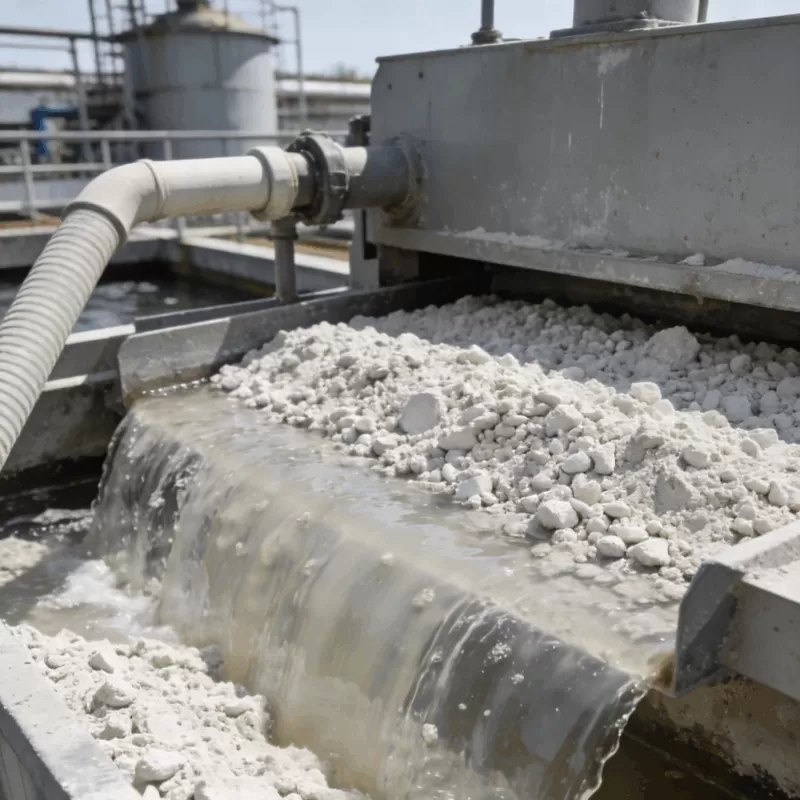
Why Partner with Jinshi for Industrial Mineral Supply?
As a specialized manufacturer of processing clays and bentonite products, Jinshi supports large-scale B2B procurement across global markets. We supply bulk buyers, agricultural co-ops, civil contractors, and trade distributors with tailored mineral solutions.
Our expansive product portfolio includes high-grade activated bleaching earth for oil processing, sodium bentonite, calcium bentonite, and premium mineral cat litters. When you source directly from our manufacturing facilities, you secure notable operational advantages:
Direct Factory Pricing: Eliminate middleman markup fees and secure stable bulk unit pricing for large-scale engineering contracts.
Rigorous Quality Assurance: Every production lot undergoes lab testing for swelling capacity, moisture content, and mesh size distribution. We issue certified Technical Data Sheets (TDS) and Material Safety Data Sheets (MSDS) with every shipment.
Flexible Packaging Solutions: We ship sodium bentonite in heavy-duty 25kg woven polypropylene bags, custom printed retail bags, or 1.0 to 1.25 metric ton UV-resistant Jumbo Bags designed for automated crane unloading.
Global Export Logistics: Our logistics teams handle full container load (FCL) shipping, customs documentation, and sea freight handling to deliver materials directly to your site or port of destination.
Frequently Asked Questions (FAQ)
Q1: How long does sodium bentonite clay for sealing ponds take to
hydrate and fully seal?
A1: Initial swelling begins within minutes
of contact with fresh water. Full swelling capacity and maximum hydraulic
density are typically achieved within 24 to 72 hours, depending on water
temperature, soil compaction, and water chemistry.
Q2: Will Jinshi sodium bentonite clay harm fish, livestock, or
aquatic plants?
A2: No. Jinshi sodium bentonite is a 100% natural,
chemical-free earth mineral. It poses zero danger to aquatic life, waterfowl, or
livestock. In fact, bentonite clay is often added to aquaculture systems to help
clarify cloudy water and bind trace heavy metals.
Q3: Can I use calcium bentonite instead of sodium bentonite for pond
sealing?
A3: Calcium bentonite is not recommended for pond sealing
applications. Calcium bentonite has a low swelling capacity (typically 2x to 3x
its dry volume) compared to high-purity sodium bentonite (15x to 20x). Sodium
bentonite is required to form an impermeable gel barrier that blocks fluid flow
under hydrostatic pressure.
Q4: How do I calculate total tonnage needed for my commercial
project?
A4: First, calculate the total surface area of the pond bed
including the side slopes (Length × Width × Slope factor). Multiply the total
square footage by your target application rate (e.g., 3 lbs/sq.ft.). Divide the
total weight in pounds by 2,000 to convert to short tons, or by 2,204 to find
metric tonnage. Contact the Jinshi technical sales team for precise job-site
volume calculations.
Q5: Can sodium bentonite seal a pond that is filled with saltwater or
brackish water?
A5: High levels of dissolved salts or calcium in
hard water can reduce the swelling performance of standard sodium bentonite. If
your pond contains brackish water, high-salinity agricultural runoff, or
wastewater, let us know. Jinshi supplies polymer-modified, salt-resistant
bentonite formulations designed to maintain high swell volumes in saline
environments.
Stop Pond Leaks Permanently – Request a Bulk Quote Today
Do not let seepage ruin your agricultural water supply or inflate your project costs. Jinshi premium sodium bentonite clay for sealing ponds delivers permanent, eco-friendly containment designed for hard real-world field conditions.
Whether you are engineering a multi-hectare industrial lagoon, expanding an aquaculture farm, or distributing agricultural minerals in your regional market, our team provides technical guidance, custom product sizing, and reliable global shipping.
Contact our B2B procurement specialists today to request your product samples, technical datasheets, and factory-direct volume pricing.
👉 [Click Here to Contact Jinshi & Request a Free Bulk Quote Today]